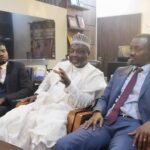
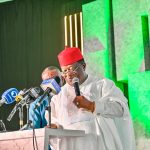
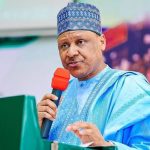

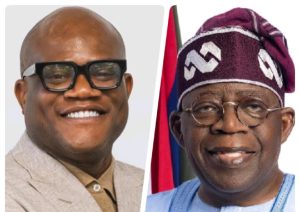
Sir Victor Walsh Oluwafemi, KJW, President of the Africa Development Studies Centre and an international development consultant, has called for swift government and continental intervention to address rising xenophobic tensions in South Africa.
Speaking on Monday, Oluwafemi expressed deep concern over increasing reports of xenophobic incidents, intimidation, and anti-migrant hostility in parts of the country. He noted that the developments, flagged by credible regional and global observers, have heightened scrutiny over the safety and treatment of African nationals, including Nigerians, living in South Africa.
While acknowledging South Africa’s sovereign right to manage its immigration system, he warned that emerging patterns of hostility—particularly those linked to non-state actors—pose serious risks to public order and the protection of fundamental rights. He pointed to reported disruptions affecting migrant-owned businesses and communities as troubling indicators of a broader issue.
“Silence in moments such as this is not neutral. Silence enables. Silence legitimises. Silence institutionalises,” Oluwafemi stated, stressing that the absence of a firm and visible response could create a damaging perception gap and erode confidence among African communities.
He urged the South African government to act decisively by reinforcing the rule of law, ensuring that immigration enforcement remains within lawful frameworks, and preventing acts of vigilantism and targeted hostility. According to him, a clear national stance is critical to reaffirming the country’s commitment to the safety and dignity of all African nationals.
At the continental level, Oluwafemi called on the African Union to adopt a more proactive approach in tackling xenophobia and safeguarding migrant rights. He emphasized that Africa’s integration agenda—anchored on cooperation and mobility—depends on a secure and inclusive environment across member states.
He also encouraged African governments to pursue coordinated diplomatic engagement to ensure the protection of their citizens abroad while maintaining constructive bilateral relations.
Highlighting Nigeria’s role, Oluwafemi said the country must move beyond reactive consular measures and adopt a more strategic approach focused on sustained engagement, citizen protection, and preventive diplomacy.
He further underscored the influence of public figures and cultural leaders in shaping narratives, urging them to promote unity and discourage divisive rhetoric during periods of tension.
Describing the situation as a critical test of Africa’s collective commitment to dignity and inclusion, Oluwafemi warned that failure to act could undermine investor confidence, regional cooperation, and the credibility of continental integration frameworks.
“Africa must continue to uphold its foundational values. Constructive dialogue, visible leadership, and coordinated action are essential to addressing current concerns and preventing future escalation,” he said.
Reiterating his call to action, Oluwafemi concluded: “Silence enables. Silence legitimises. Silence institutionalises. Africa must speak. South Africa must act.”