



… Protect Access to Essential Medicines
The Federal Government has reaffirmed its commitment to tackling drug abuse through a balanced, evidence-based approach that combines public health interventions, law enforcement, prevention, treatment and rehabilitation, while ensuring patients with legitimate medical needs have continued access to essential controlled medicines.
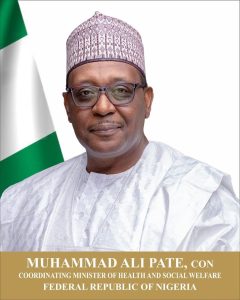
Coordinating Minister of Health and Social Welfare, Professor Muhammad Ali Pate, made the commitment in a keynote address delivered on his behalf by the Director of Food and Drug Services, Mrs. Olufowobi-Yusuf Adeola, at the maiden National Drug Use Summit held in Abuja.
Pate described drug use as a major public health and development challenge, citing the 2018 United Nations Office on Drugs and Crime (UNODC) survey, which found that 14.4 per cent of Nigerians aged between 15 and 64 had used drugs.
He noted that cannabis remains the most commonly abused substance, while misuse of prescription opioids such as tramadol and codeine, as well as emerging psychoactive substances, is on the rise.
The Minister said the growing burden of drug misuse poses serious threats to public health, national security and socio-economic development, stressing that Nigeria’s response must go beyond law enforcement to include prevention, treatment and rehabilitation.
Pate stressed that while government would continue efforts to curb illicit drug use, it would also safeguard access to controlled medicines such as morphine and pethidine for patients suffering from cancer, sickle cell disease, post-surgical pain and other severe medical conditions.
“Denying patients appropriate pain relief because of concerns over drug diversion is unacceptable,” he said, adding that the government would pursue policies that strike a balance between effective drug control and access to essential medicines.
Pate disclosed that the Ministry of Health and Social Welfare would strengthen screening, early intervention and referral services for substance use disorders across primary healthcare centres and general hospitals.
He also announced plans to expand accredited treatment and rehabilitation centres and train more healthcare workers in medically assisted treatment for addiction.
To improve accountability, he said the ministry would strengthen oversight of the pharmaceutical supply chain by securing narcotic medicine warehouses, deploying inventory management systems and intensifying joint inspections with regulatory and enforcement agencies to ensure controlled medicines are tracked from procurement to patient use.
The Minister added that the Ministry would deepen collaboration with the Ministries of Education, Youth and Women Affairs to promote evidence-based drug prevention programmes in schools and communities while addressing stigma that discourages people with substance use disorders from seeking treatment.
He commended the Kaduna State Government for its efforts in addressing drug abuse and urged other state governments to strengthen data systems, fund state-specific response plans and invest in treatment and rehabilitation alongside enforcement.
Pate also acknowledged the contributions of the National Drug Law Enforcement Agency (NDLEA), international development partners, civil society organisations and other stakeholders, noting that lasting solutions require sustained collaboration across sectors.
He said the success of the summit would ultimately be measured by fewer young people initiating drug use, greater access to effective pain management, stronger families and healthier communities.
Speaking as Special Guest of Honour, Secretary to the Government of the Federation, Senator George Akume, represented by the Permanent Secretary, General Services Office, Dr. Abubakar Ibrahim Kana, described the fight against illicit drugs as a shared national responsibility involving government institutions, healthcare providers, security agencies, families, communities, civil society, faith-based organisations, the private sector and development partners.
Akume warned that substance use disorders continue to fuel mental illness, family breakdown, school dropout, unemployment and crime, expressing concern over the growing impact on young Nigerians.
He said President Bola Tinubu’s Renewed Hope Agenda remains committed to strengthening mental healthcare, empowering young people, building resilient communities and reinforcing institutions responsible for addressing emerging social challenges.
Also speaking, Chairman of the National Drug Law Enforcement Agency (NDLEA), Brig.-Gen. Mohamed Buba Marwa (retd.), described the summit as timely, saying it provides an opportunity to build consensus on a coordinated national action plan focused on prevention, treatment, rehabilitation, research, policy implementation and community resilience.
Marwa urged participants to develop practical, evidence-based recommendations capable of strengthening institutional collaboration and protecting Nigerians, particularly young people, from the devastating effects of drug abuse.
In a goodwill message, the Permanent Secretary of the Federal Ministry of Health and Social Welfare, Daju Kachollom, represented by the Director of the Narcotics Division, Pharmacist Henrietta Bakura-Onyeneke, reaffirmed the ministry’s commitment to building a healthcare system where no Nigerian is denied effective pain management and no citizen loses their future to substance abuse.