

By Hosanna Eseose
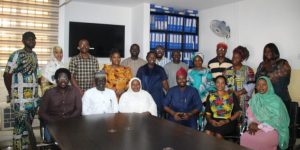
The Federal Capital Territory (FCT) has emerged as a leading force in Nigeria’s campaign against malaria after securing the highest performance rating among five participating states in the Islamic Development Bank (IsDB) Lives and Livelihoods Fund (LLF) Malaria Control and Elimination Project.
Results from the Independent Verification Assessment (IVA) for the second half of 2025 showed that the FCT recorded a score of 78 percent, outperforming Bayelsa, Edo, Enugu and Kogi states to claim the top position for the first time since the project began.
The achievement represents a significant improvement from the territory’s previous score of 70.1 percent in the first semester of 2025, when it ranked second among the focal states.
Health experts say the latest ranking highlights the growing effectiveness of malaria prevention and treatment interventions being implemented across the FCT, particularly in strengthening health systems and expanding access to quality healthcare services.
The IsDB-supported NGA1016 Malaria Control and Elimination Project is designed to reduce the burden of malaria through community-based and facility-driven interventions coordinated by non-state actors. In the FCT, implementation is being driven by FAMKRIS Health Care Initiative (FHCI), which oversees activities across the six Area Councils.
The assessment covered 15 project-supported health facilities and evaluated performance across key indicators, including service delivery, healthcare worker capacity, supply chain management, monitoring and evaluation, supportive supervision, community engagement and healthcare waste management.
Findings from the assessment revealed that the FCT recorded its strongest performance in service delivery, health worker availability and capacity, as well as supply chain and logistics management, reflecting improved functionality within the territory’s healthcare system.
Although the report identified areas requiring further attention, particularly in supportive supervision, monitoring and evaluation, and healthcare waste management, it noted that the FCT demonstrated a stronger implementation environment compared to other participating states.
Stakeholders have attributed the success to the collaborative efforts of the FCT Administration, healthcare workers, community structures, development partners and implementing organisations working to reduce malaria prevalence and improve health outcomes.
The latest recognition is expected to strengthen confidence in ongoing malaria control interventions in the territory and provide a model for other participating states seeking to improve programme implementation and healthcare delivery.