



By Mary Emeka

Residents of the Federal Capital Territory (FCT) have been urged to adopt preventive measures against flooding as the FCT Emergency Management Department (FEMD) intensified its flood preparedness and public sensitisation campaign across the Territory.
The appeal came during a one-day Stakeholders’ Engagement on the National Disaster Preparedness and Response Campaign 2026, where emergency management experts warned that weather forecasts indicate a high risk of flooding in vulnerable communities as the rainy season reaches its peak.
Speaking at the event, the Head of Forecasting, Response and Mitigation at FEMD, Dr Mark Nyam, stressed the need for proactive measures to minimise the impact of flooding, particularly in flood-prone communities.
He said effective disaster preparedness requires collaboration among government agencies, community leaders and residents to protect lives and property during the rainy season.
Also speaking, the Head of the National Emergency Management Agency (NEMA) Abuja Operations Office, Mr Zakari Abubakar, said the agency had strengthened interventions aimed at reducing the impact of flooding across the country.
According to him, NEMA’s strategy focuses on prevention, preparedness, response and recovery to minimise disaster risks. He urged FEMD to sustain its public awareness campaign, especially among residents living along riverbanks and other vulnerable locations.
The Director of the Department of Development Control also called for stricter enforcement of regulations protecting waterways and drainage channels, noting that illegal structures and encroachment on natural watercourses remain major causes of flooding in the FCT.
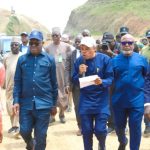
As part of the exercise, stakeholders visited flood-prone areas in Mabushi and Lokogoma to assess vulnerable locations and reinforce the need for early preventive action.
The engagement brought together representatives of the National Orientation Agency (NOA), the Nigerian Red Cross Society, the FCT Fire Service, the Federal Capital Development Authority (FCDA) and other organisations involved in disaster risk management.
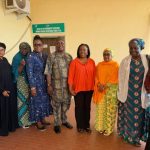
In a related outreach, FEMD extended the sensitisation campaign to Gwagwalada Area Council, where residents and traditional rulers were educated on practical steps to reduce flood risks.
Addressing palace officials, Dr Nyam attributed most flooding incidents in the FCT to human activities, dismissing claims that flooding in Gwagwalada was caused by the release of water from nearby dams.
He warned residents against dumping refuse into drainage channels, blocking waterways and erecting structures on natural flood paths, stressing that such activities significantly increase flood risks.
During the interactive session, district and village heads identified the absence of designated refuse dumpsites as a major factor responsible for indiscriminate waste disposal. They called for the provision of waste disposal facilities and stricter enforcement of environmental sanitation laws.
Speaking on behalf of the Aguma of Gwagwalada, the Waziri of Gwagwalada, Alhaji Bala Garba Madaki, described the sensitisation campaign as timely and commendable.
He pledged the support of the traditional institution in taking the flood preparedness message to district, ward and village heads, as well as religious leaders, to ensure wider community awareness.
Madaki also urged residents living in flood-prone areas and along riverbanks to relocate to safer and higher ground to reduce the risk of loss of lives and property.
FEMD reaffirmed its commitment to sustaining public awareness campaigns across the Federal Capital Territory to strengthen disaster preparedness, promote environmental responsibility and build resilient communities throughout the 2026 rainy season.